I bought an air compressor to fill flat tires.
That was the whole plan. Top off the car and wheelbarrow, inflate the occasional inner tube, done. But somewhere along the way I discovered that a blast of compressed air is a great and fun way to clean the dust off a shelf. Just blow it right out of the room. I use it for that now more than I ever have for tires.
Nobody designed an air compressor to be a dusting tool. It just turned out to be a great one.
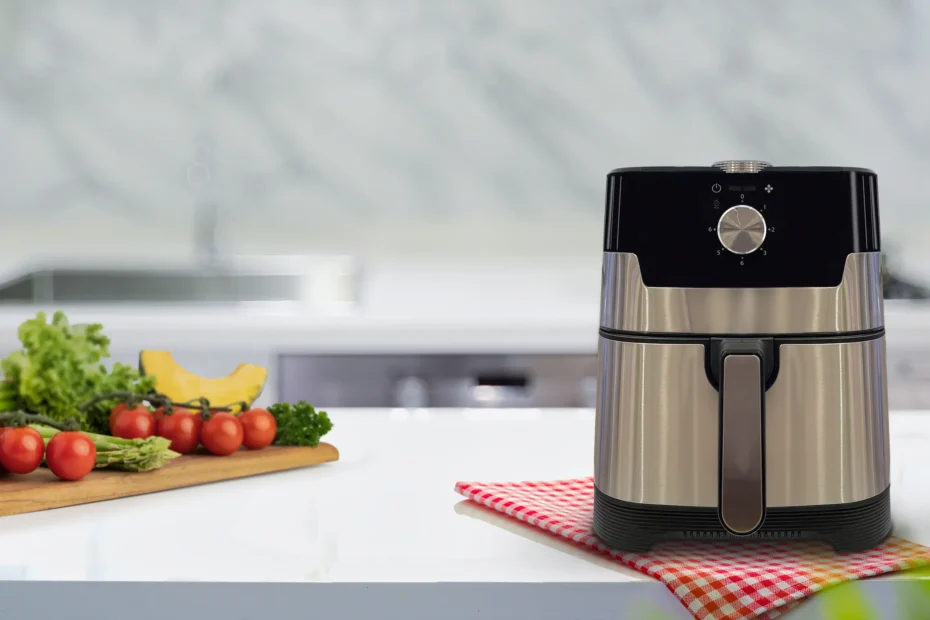
We do this with tools constantly. You buy an air fryer for french fries and chicken nuggets, which, for the record, it is fantastic at, and within a week everything is going in the air fryer. Then you learn the hard way that lettuce is not an air fryer food. You get a Ninja blender and suddenly you are blending things that have no business being blended. We swing between two modes: discovering delightful uses the maker never imagined, and enthusiastically using a tool for jobs it was never meant to do.
AI is exactly this. It is a wonderful, powerful, genuinely limited tool, and we are all — every one of us — still figuring out what it is actually good for.
Here is how I learned that this week.
I sat down to write a post about AI. Instead, I ended up using AI to keep my bees alive.
Some background: I have kept bees for years and, until last winter, had never once gotten a hive through to spring. Last year, one finally made it. This spring that hive, plus a lot of caught swarms, turned into six. I have no formal training. Beekeeping often feels like black magic, where everyone trades folklore and nobody is quite sure why anything works.
So instead of writing, I started talking it through with Claude. Not “what is this bug” trivia — actual strategy. I described all six hives, the strong ones filling supers, the weak swarm catches barely drawn out. I explained the odd setup that got my one survivor through last winter: newspaper and dry sugar on top, a box of hay above that to soak up moisture, extra ventilation. Because every hive I have ever lost, I lost to damp, not cold.
And we built a real plan. When to treat for mites, and why it has to happen before the winter bees are raised. Whether to combine my two struggling colonies or fold them into stronger ones. A week-by-week schedule from now through October. It took my own hard-won trick — keep them dry — and turned it into a repeatable method across all six hives.
That is the air compressor again. I reached for AI to help with words, and it turned out to be a great beekeeping partner instead.
I think this is the story of the next few years.
When we first got electricity, we used it to turn on a few lights. It took time to realize the same wires could run motors, and that motors could run everything. But that build-out was slow. You had to physically construct the world around the new tool.
AI is different. The harnesses, the tools, the infrastructure — we are building them at a speed that would have been unthinkable a decade ago. Which means the discovery curve is not measured in generations. It is measured in weeks.
So if you are fumbling with AI, air-frying the lettuce, that is fine. That is the process. Lean into it. Find the strange, unintended, genuinely useful thing your new tool does that nobody bothered to write on the box.
I went looking for a blog post. I found a beekeeping consultant.
I cannot wait to see what you find.

Designing AI systems you can rely on
If you are exploring how to use large language models in real software, IntelliTect helps you turn clear intent into reliable, production-ready systems.